In today’s world of digital advertising, every click and visitor is important. If you’re running paid search campaigns, the success of your efforts largely depends on how well your landing page performs. This is where landing page optimization for paid search campaigns becomes essential. For digital marketing agencies like Canadian Consulting, which offers paid advertising services, it’s crucial to align the ad strategy with a well‑designed landing page. In this article, you’ll discover a step‑by‑step guide to mastering landing page optimization, complete with actionable tips you can start using right away.
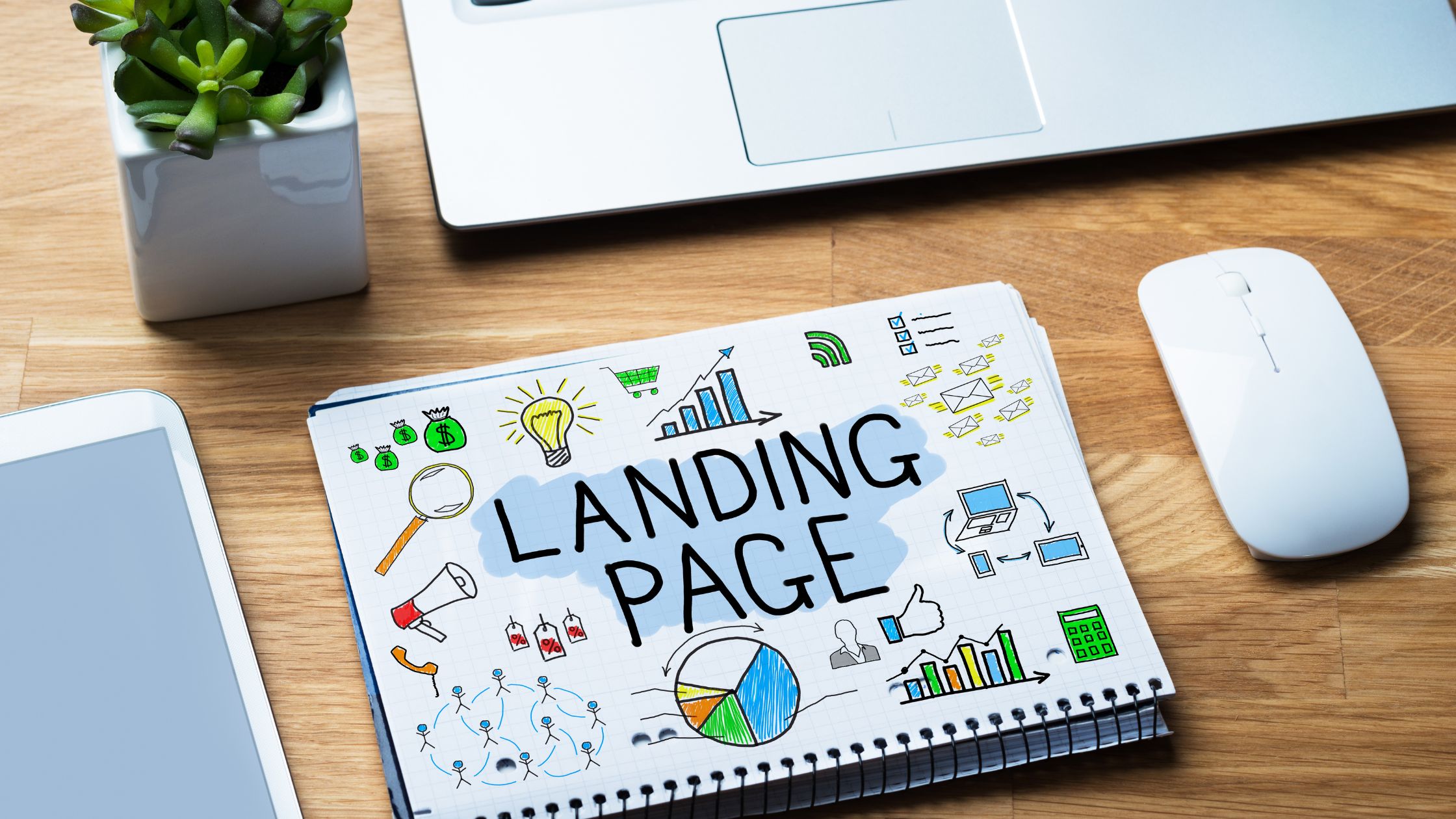
Why Dedicate a Specific Landing Page for Paid Search Campaigns
Sending all paid search traffic to your homepage or a generic page can harm your relevance and conversion rates. Studies show that dedicated landing pages specifically designed for paid search campaigns tend to convert much better.
By optimising your landing page for paid search, you cut out distractions, streamline the user journey, and ensure the page matches the offer in your ad. This is the goal of landing page optimization — to make the process as relevant and efficient as possible.
Additionally, platforms like Google Ads consider landing page experience when determining ad quality. A well‑aligned landing page can improve your quality score, lower your cost per click, and boost conversion rates. Given that your ad budget is limited, optimising your landing page is essential — it has a direct impact on your return on investment and the overall success of your campaign.
Key Components of Effective Landing Page Optimization
When you’re optimising your landing page for paid search campaigns, these are the key elements you should focus on:
1) Consistent Message Match
The headline, value proposition, imagery, and CTA on your landing page should match the ad’s promise. Inconsistent messaging can confuse visitors and increase bounce rates. For example, if your ad offers a “Free Demo Today,” your landing page should feature the same offer instead of a vague “Learn More” message.
2) Single Goal and Clarity of Purpose
Each landing page should have one clear conversion goal, whether it’s sign‑up, download, call, or purchase. Avoid overcrowding the page with multiple fields or competing CTAs. A simpler, focused page leads to higher conversions.
3) Strong Value Proposition Above the Fold & Visual Hierarchy
Visitors should immediately know what you offer, why it matters, and what action to take. Use clear headlines, compelling subheadings, and noticeable CTA buttons. Proper visual cues guide users to the desired action and improve the landing page experience that ad platforms evaluate.
4) Trust Elements and Minimal Distractions
Incorporate social proof like testimonials, logos, or reviews to build credibility. Simplify navigation or remove it altogether to prevent distractions from the conversion goal. Remove unnecessary links, pop-ups, and extraneous content to improve the user experience.
5) Mobile-First and Speed-Optimized Design
Since most paid search traffic comes from mobile devices, make sure your landing page is fast, responsive, and easy to navigate on smaller screens. A slow or cluttered mobile page will hurt conversions. Page load speed also affects quality score and CPC, so optimise accordingly.
By implementing these strategies, you can ensure your landing page is optimized to drive higher conversions and maximize the effectiveness of your paid search campaigns.
Technical and Design Considerations
When optimising your landing page for paid search campaigns, don’t overlook the technical essentials. Here are some key considerations:
- Landing page URL structure: Use short, relevant URLs that align with the ad group or offer. This ensures clarity and improves the user experience.
- Tracking & analytics: Implement conversion tracking, UTM parameters, and tools like heat mapping or session recording (e.g., Hotjar) to gain insights into user behavior and track campaign performance.
- Load time: Optimise images, compress scripts, and enable caching to ensure the page loads quickly. Aim for a load time of under 3 seconds, as speed directly affects conversions.
- Cross-browser/device testing: Make sure your landing page looks good and functions properly on all major browsers and devices to avoid losing potential customers due to compatibility issues.
- Form optimisation: Keep forms simple by asking for only the essential information. Fewer fields mean higher conversion rates, so prioritize what’s most important.
- A/B testing framework: Regularly test different versions of headlines, CTAs, images, and layouts. With paid traffic, you can gather enough data quickly to make informed improvements.
By focusing on these technical and design fundamentals, you’ll enhance your landing page optimisation for paid search campaigns — turning clicks into meaningful, measurable conversions. Learn more about SEO Services for Website.
Measurement and Continual Improvement
Landing page optimization for paid search campaigns is a continuous process. Here’s how to approach it:
- Key metrics: Track conversion rate, bounce rate, time on page, form abandonment, and cost per conversion to measure effectiveness.
- Quality Score and ad metrics: Monitor how the landing page affects CPC, impressions, and ad position. Optimising the page improves these metrics.
- Behavioral insights: Use heatmaps and session recordings to identify drop-off points and areas of confusion for targeted improvements.
- Iteration cycle: Continuously test, analyze, and refine elements like CTAs and headlines for better performance.
- Segment traffic: Optimise for mobile vs. desktop, new vs. returning visitors, and device types to boost conversions.
- Benchmark and adjust: Set internal benchmarks and adjust landing pages based on performance data.
By taking a data-driven approach, you ensure your landing page optimization for paid search campaigns evolves to maximize performance and ROI.

Conclusion
To achieve success with paid search campaigns, optimising your landing page is essential. By aligning your ad messaging with user intent, removing distractions, building trust, and ensuring mobile and performance optimisation, you create a cycle of continuous improvement.
If you need a comprehensive approach—from campaign setup to website development and analytics—partner with Canadian Consulting. When your ads and landing pages work together, you drive meaningful results, not just clicks.